
Digger Diaries | July-August
- Jessica Russell Hilton
- May 29
- 7 min read
Easy DIY Water Features for a Southern Summer Garden

Everyone loves a water feature.
But not everyone loves trenching, electrical work, burying liners, and managing pumps. So many water features can turn a simple garden idea into a full-scale construction project and a big maintenance commitment. That’s not what we’re talking about, today!
This post is about water features that:
You can build in a weekend
Are budget-friendly
Take just a little digging (if at all)
Don’t need complicated wiring or plumbing
Are solar-powered or simple plug-in options
Have manageable maintenance routines
Even better? Many of these ideas can start with items you already have—or can thrift locally.
Because the fact is, water features don’t have to be complicated or costly to bring a lot of magic to the garden. Read on for 7 simple water feature ideas to inspire your next DIY garden upgrade.
1. The Classic Bird Bath
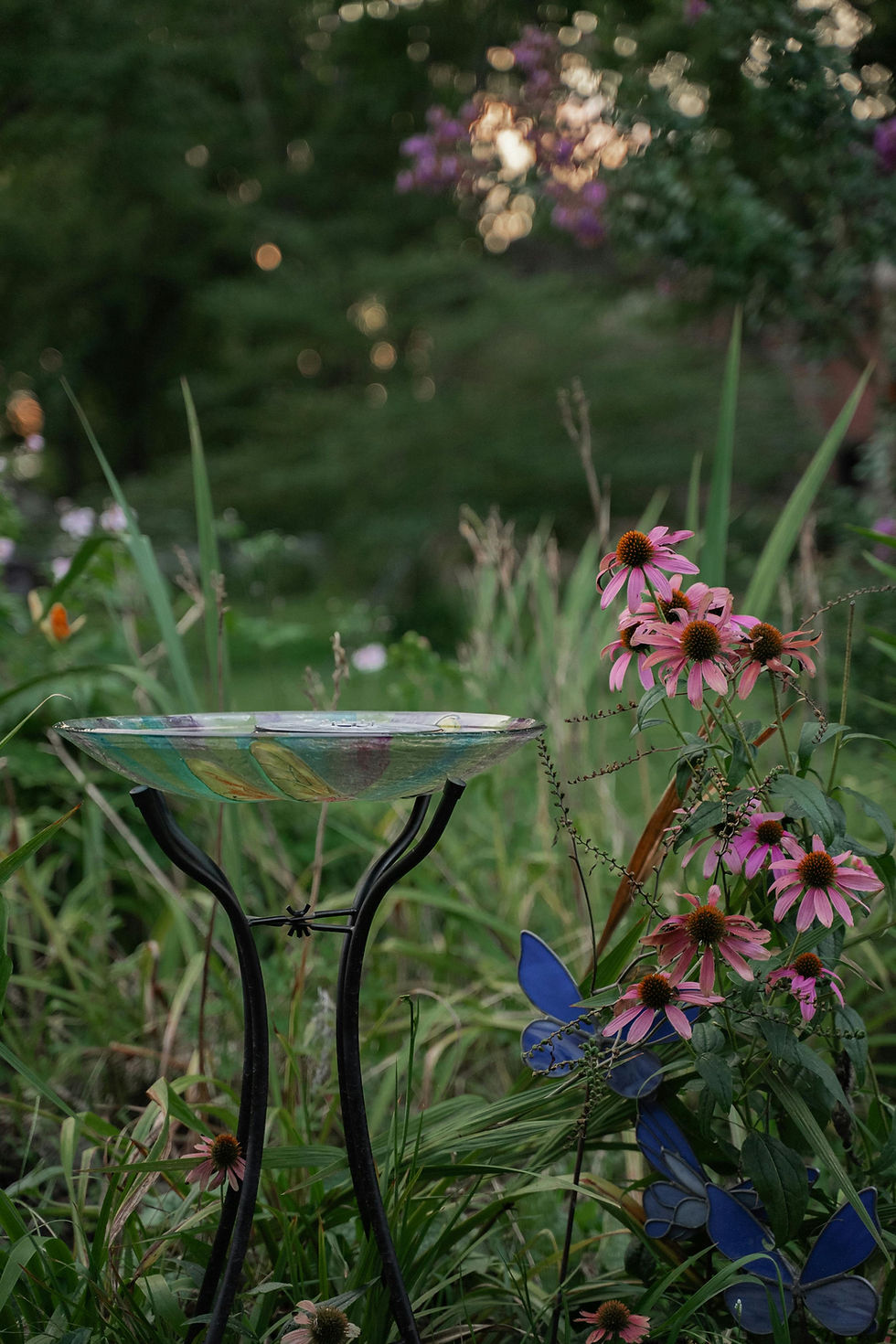
It’s a classic for a reason! A basic bird bath is one of the easiest ways to add water to your garden. They also create an instant focal point. Win, win.
To make your birdbath even easier to maintain, try the penny trick: drop a few copper pennies into the water. Copper helps slow algae growth, keeping the water cleaner between refills.
If you want to take it a step further, add a small solar bubbler. Birds are drawn to moving water, and the gentle sound adds another sensory layer to your space.
Bonus: Because solar bubblers aerate water and keep it moving, they discourage mosquitoes from breeding. Just make sure your fountain gets enough sunlight each day to activate the motor.
When adding a birdbath:
Place birdbaths near shrubs or trees for quick escape routes. Plus, shade slows algae growth, and keeps the water from getting too hot.
Add a few rocks in the middle, to vary depths. This helps small birds feel safer.
Refresh water frequently in hot weather.
2. A Simple Bee Watering Dish

Did you know bees need water just as much as nectar? They use it to hydrate, cool their hives, and even help produce honey.
As DIY water features go, a bee dish could not be more simple. The hardest part is keeping them consistently filled, since shallow water can evaporate quickly. Then again, refreshing your bee dish every few days might just become your favorite excuse to slip outside, check on your plants, and enjoy a quick moment in nature.
How to make one:
Start with a very shallow container: a plant saucer, thrifted dish, or small birdbath.
Add a few stones or twigs that rise above the water line (skip marbles—they’re tedious to clean)
Fill with just enough water so bees can land and drink safely. If they fear falling in, they won’t stop.
Place it near your pollinator plants.
Important: Don’t add sugar or honey. It can harm bees and spread disease.
3. A Small Frog Pond (a.k.a. Wildlife Magnet)

If you’re ready for something a little more immersive, a small frog pond can transform your garden ecosystem.
This doesn’t have to mean a large, built-in pond.
All you need is an oval-ish hole about 2’x3’ at the surface, and at least 12” deep in the center, with shallower edges. To make it water-tight, line with flexible pond liner cloth, trim the excess, and secure the edges with rocks and cracked flowerpots.
Digging your own hole, and deciding the shape as you go, allows you to work around roots and other hard-to-dig places. However, you could also sink a pre-formed rigid liner into the ground.
Don’t like digging? Try these no-dig frog-pond alternatives:
Build a raised bed around a rigid, pre-formed liner, and fill with dirt and plants.
Create a small above-ground version out of any container—upcycled bathtubs, galvanized buckets, or even antique sugar cane kettles, for example.
A few essentials:
Leave edges shallow and or add stones so animals can easily get in and out.
Aim for at least 12 inches of depth in the center to slow evaporation and reduce the chance of freezing in Zone 8/Zone 9 winters.
Tuck a broken clay pot or low shelter nearby—frogs and toads will thank you.
Sink one to three species of aquatic plants for a realistic and wildlife-friendly touch.
Add a solar bubbler to aerate water and discourage mosquito breeding. Mosquito tablets and mosquito fish also discourage mosquitoes, but don’t provide the healthy aeration benefit of a solar bubbler fountain.
IMPORTANT: During hot spells, you may need to top off the pond weekly to fight evaporation. It’s best to use rain water, as treated city water will damage your natural ecosystem. If you aren’t already collecting rainwater, check out our post on rainbarrels! If you must use city water, fill a large bucket and allow it to sit for a day or two before using. This gives the chlorine time to evaporate.
4. The “Aged” Patio Fountain

This type of water feature is less about creating wildlife habitat and more about pure, human enjoyment. In our post about gardens and well being, we noted that the sound of flowing water can lower blood pressure. It also softens traffic noise and creates a welcome sense of calm, especially in smaller urban or suburban spaces.
Garden centers are filled with affordable, plug-in patio fountains. If your brand-new fountain looks a little too new for your taste when you first install it, try the simple yogurt-and-moss DIY treatment to soften the look of new plastic, terra cotta, or concrete with a naturally aged patina that blends beautifully into the landscape:
Moss-covered fountain DIY:
Soak your fountain’s visible surfaces
Blend whole-fat Greek yogurt or buttermilk with living moss.
Paint the mixture onto your soaked fountain in uneven strokes (so it’s more more natural-looking)
Age the fountain for 3-4 weeks in a shady location.
Place the fountain in its final location—ideally somewhere with enough shade to encourage the moss to keep growing.
Note: Best done in spring or fall. The heat of summer can discourage moss from getting established.
5. Above-Ground Container Water Gardens
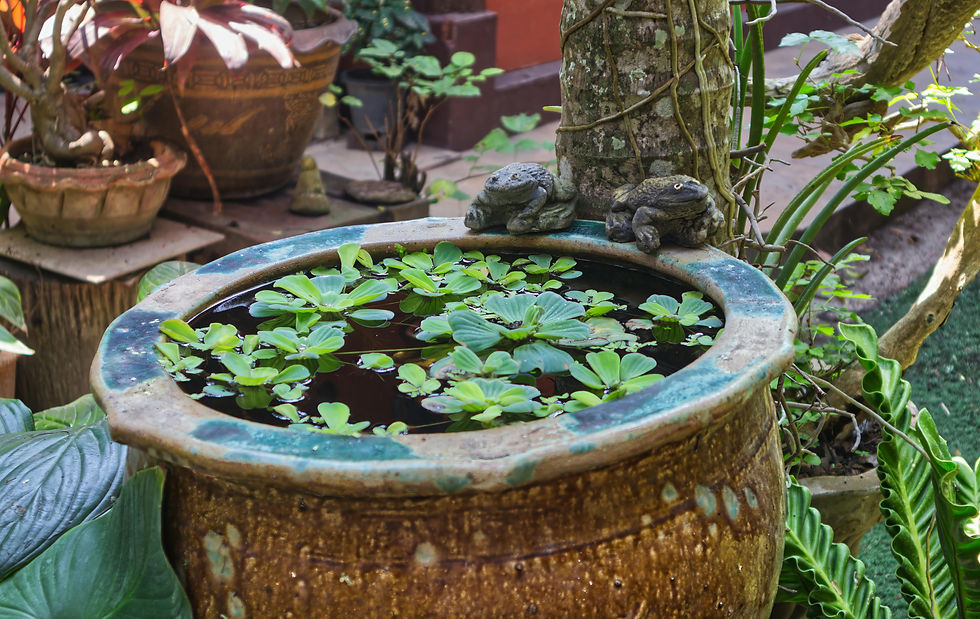
Are you a gardener who also loves to thrift? This is one type of water feature where creativity really shines.
Anything that holds water can become a water garden:
Large ceramic pots
Enamelware tubs
Whiskey barrels
Vintage porcelain sinks
Fill with water, add a few aquatic plants, and drop in a solar fountain bubbler for movement. Don’t forget mosquito tablets!
This option is especially well-suited for patios, porches, and smaller spaces—and pairs beautifully with container plantings.
6. The Easy Bubbler (Solar or Plug-In)

If you love the sound of water but don’t want standing water, a patio bubbler fountain is one of the very simplest solutions.
Garden centers have so many beautiful, ready-made patio bubblers to plug in and enjoy. But if you’re feeling crafty, you can create your own. There are many fun tutorials, like this one here. Traditionally, patio bubbler fountains relied on submersible electric pumps to pump water from a deep reservoir basin onto a shallow dish of stones. That’s still a great option if you have access to an outlet, and a way to drill holes in the containers you are using.
However, solar versions are increasingly popular, and so practical in the sunny South.
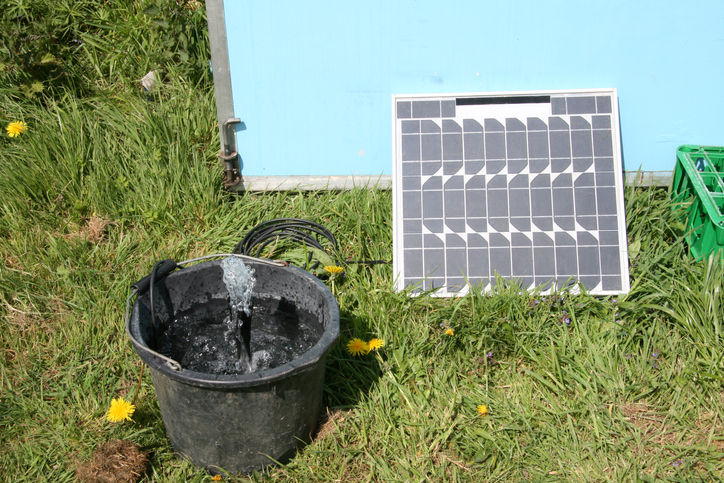
A few tips:
Be sure your basin container sits level on the ground! This is easiest to do before you fill it with water.
Avoid filling the shallow bubbler dish with small rocks or marbles, as they will be tedious to clean. Fewer, larger rocks are easier to maintain.
Top off water levels often during summer, since it will damage the bubbler motor if it runs without water. It’s OK to use treated water from the sink or a hose.
7. The Quiet Reflection Pond
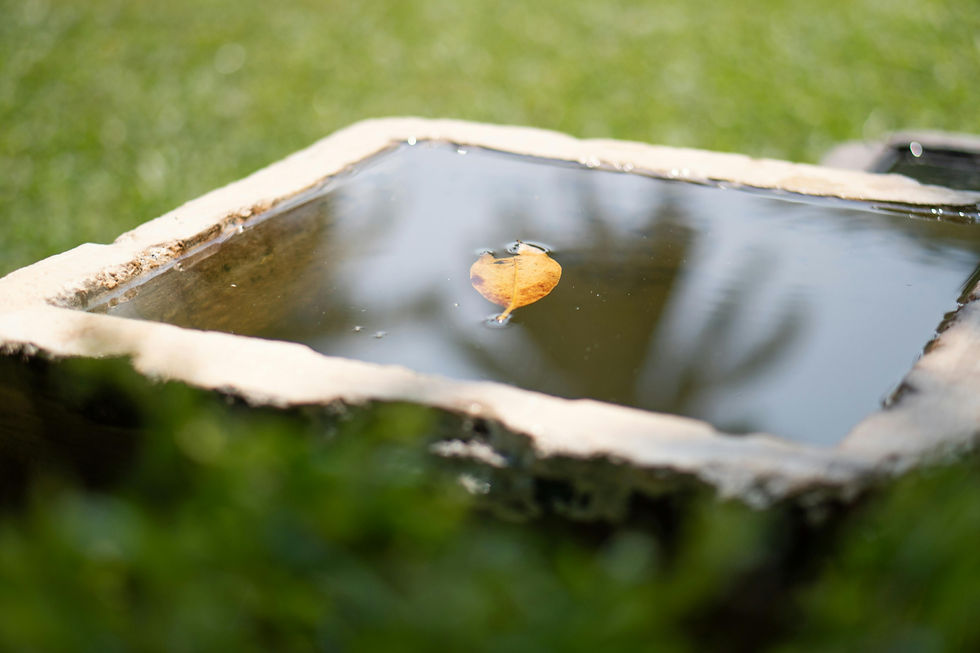
Not every water feature needs movement. A reflection pond is about stillness. It simply mirrors the sky, nearby plants, or the tree canopy.
These are often simple, geometric shapes (circles, rectangles, squares) and require very little beyond:
A watertight container or lined space
Occasional refilling
Mosquito control (tablets work well here)
Reflection ponds are less about wildlife habitat, and more about creating a moment of pause in the garden. No plants to maintain. No gadgets required. Just the simple element of water.
A Few Practical Considerations
Even “easy” water features do come with a little responsibility:
Maintenance: Expect to rinse, refill, and remove debris regularly
Water loss: Southern heat means evaporation—check levels often
Safety: If you have pets or small children, consider shallow or pondless options
And yes—mosquitoes must be managed. The good news: moving water, frequent refreshing, mosquito fish, or mosquito dunks will keep things under control.
Bringing It All Together: Water + Soil + Habitat
A water feature is just one piece of a thriving garden ecosystem. When you pair it with:
Healthy soil
Thoughtful plant choices (especially native and pollinator-friendly species)
A commitment to avoiding harsh chemicals
…you create something much bigger than a pretty backyard. You create habitat!
If you’re planting around your feature, enrich in-ground beds with a high-quality soil blend (like our Loamate Soil Enricher) to support long-term plant health. For patios or porch setups, container plantings filled with our Digger's Delight Premium Potting Soil can turn a simple water feature into a lush, layered retreat.
A small water feature might seem like a simple addition, but in the height of a Southern summer it can become the most visited—and most appreciated—part of your garden. By wildlife. And by you.
Dig It? It's Grow Time.


Comments