
Digger Diaries | January-February
- Jessica Russell Hilton
- Dec 22, 2025
- 7 min read
Updated: Feb 3
10 “Normal” Things I Stopped Doing in My Garden (That Made It Better)

It didn’t happen overnight. But I’ve come to learn that not everything “normal” is necessary. Not everything sold at the garden center is helpful. And not all ideas about growing plants are equally healthy. By now, I’ve let more than a few common gardening habits go by the wayside. And you know what? My garden didn’t suffer. It actually got better.
As we embrace a new year, I’m sharing 10 “normal” things I’ve stopped doing in my garden, and why you might want to consider letting them go, too. Or not. The point is, you get to garden in the way that works for you, and leave other expectations in the compost!

1. Babying unhappy plants.
No matter how green your thumb may be, there’s always a plant (or three) that refuses to thrive, no matter what you try. In a past life, I would worry over them. I would seek out horticulturists to examine their sad, crumpled leaves.I would move them. And that’s okay. But I eventually learned that if a plant isn’t thriving, it’s just as okay to let it go and try something else instead. These days, I try to never be afraid to pull something up and replace it with something else. Life is short! Your house, patio, porch, and yard should be filled with plants that bring you joy, not stress.

2. Planting hard-to-reach containers.
I love window boxes. I love hanging baskets. But I learned the hard way, if they’re in an inconvenient place, I will always fall behind on watering. Pots right by my main entrance that I can water easily? Perfect. A few hanging baskets within reach of my watering wand? Can do. A dozen baskets I can’t reach without a step stool? Pass.

3. Weeding.
Maybe I’m weird, but I actually enjoy weeding. I get a certain satisfaction from pulling an unwanted plant, root and all, knowing that weed has been vanquished! I just don’t have gobs of time for this activity. Fortunately, weeding is one task I’ve learned to almost eliminate. My secret weapon? Of course, it involves a 2” layer of Penick Organics Flower and Garden Mulch. But that’s not all. Depending on the area in question, I may add some other tricks:
For raised vegetable beds, I put down a layer of wet cardboard below my mulch layer. Typically, I plant my starts first, and layer cardboard around them. If I plan to direct-sow any seeds (say I want to mix some zinnias with my tomatoes), I leave bare spots for seeds to sprout, and cardboard/mulch everything else.

For flowerbeds, I prefer living groundcovers—AKA “cramscaping.” Between taller plants, like daylilies and irises, I interplant with drifts of low-growing annuals (like sweet alyssum) or perennials (like thyme). Anything that will choke or shade out potential weeds will do. Where those plants can’t go, it’s back to cardboard and mulch.
For pots and containers, I also use a combination of “cramscaping” and mulch, but generally skip the cardboard. Bonus: Mulch keeps containers from drying out too quickly, and insulates them from extreme temperatures.
4. Landscape fabric.
Before we leave the subject of weeds, let’s talk landscape fabric. I once thought this extremely common product held the key to weed prevention, but no. It only takes a few seasons to discover how quickly weeds can grow over, under, and through it—and how nearly impossible it is to remove once it starts to degrade. Hello, microplastics! It didn’t take long to learn that landscape fabric often worked against me. Not only is it lousy weed control, it can actually hurt plants. It interferes with water and air flow. It does no favors for beneficial organisms, like earthworms. Worst of all, it gets in the way of the natural soil-building process…and if soil suffers, so will your plants.
5. Synthetic fertilizers.
Growing up in a family that knows their soil, synthetic fertilizers were never a big go-to for me. But over time I’ve learned that, like landscape fabric, these products can cause more problems than they solve. Synthetic fertilizers make plants look great, at first. But with continued use, they can cause dependency. Stop using them, and plants will look deficient. Keep using them, and salts can build up in your soil, making it even less hospitable for plants. Not to mention, fertilizer runoff contributes to water pollution.

Instead, I focus on healthy soil. A lot of people are surprised to learn that if your soil is healthy, your plants are likely to be much more forgiving about other minor issues. I amend my beds once or twice a year by top-dressing with a Penick Organics product (like our
for in-ground beds). Then, I seal it in with Penick Organics Flower & Garden Mulch—a 100% organic mulch that builds the soil as it breaks down.
6. Growing plants I don’t like maintaining.
This may sound like #1, but I’m not talking about plants that look bad. I’m talking about perfectly pretty plants that make it unpleasant to tend to my garden. For you, this might be a tree that dumps buckets of leaves at your front door, or a shrub that requires an awkward posture to prune. For me, it’s thorns.

I simply hate getting pricked by thorns, even though I love the look of roses. So, I limit how many roses I grow. Before you start feeling sorry for me, worry not—I don’t go without! I grow this wonderful old garden rose called La Marne that isn’t very thorny. The thornless Lady Banks drapes over my arbor like a Southern belle on a fainting couch. And I’ve planted lots of drift roses that, while thorny, don't require much pruning, so they rarely poke me.
Once I made “less thorns” a priority, I started to notice just how many other types of flowers give that beautiful "rosette" look without the thorns—like camellias, peonies, and confederate roses, just to name a few. Now, tending my yard doesn’t mean getting scratched, pricked and poked.
7. Panicking over “pests.”
As the saying goes, “if nothing is eating your plants, then they aren’t part of the ecosystem.” Healthy plants can tolerate a little damage. It’s usually OK to skip the spray—though I do keep a spritz bottle of soapy water or organic Neem oil handy if things get off-balance. What I worry about more than pests is building awesome soil. That is the foundation for healthy plants that can withstand a few nibbles. If your plants are easily overtaken by pests, it may be a clue that your dirt needs help!

Bonus: Without pesticides in my yard, natural predators like ladybugs and firefly larvae remain alive and well to feast on the bad guys.
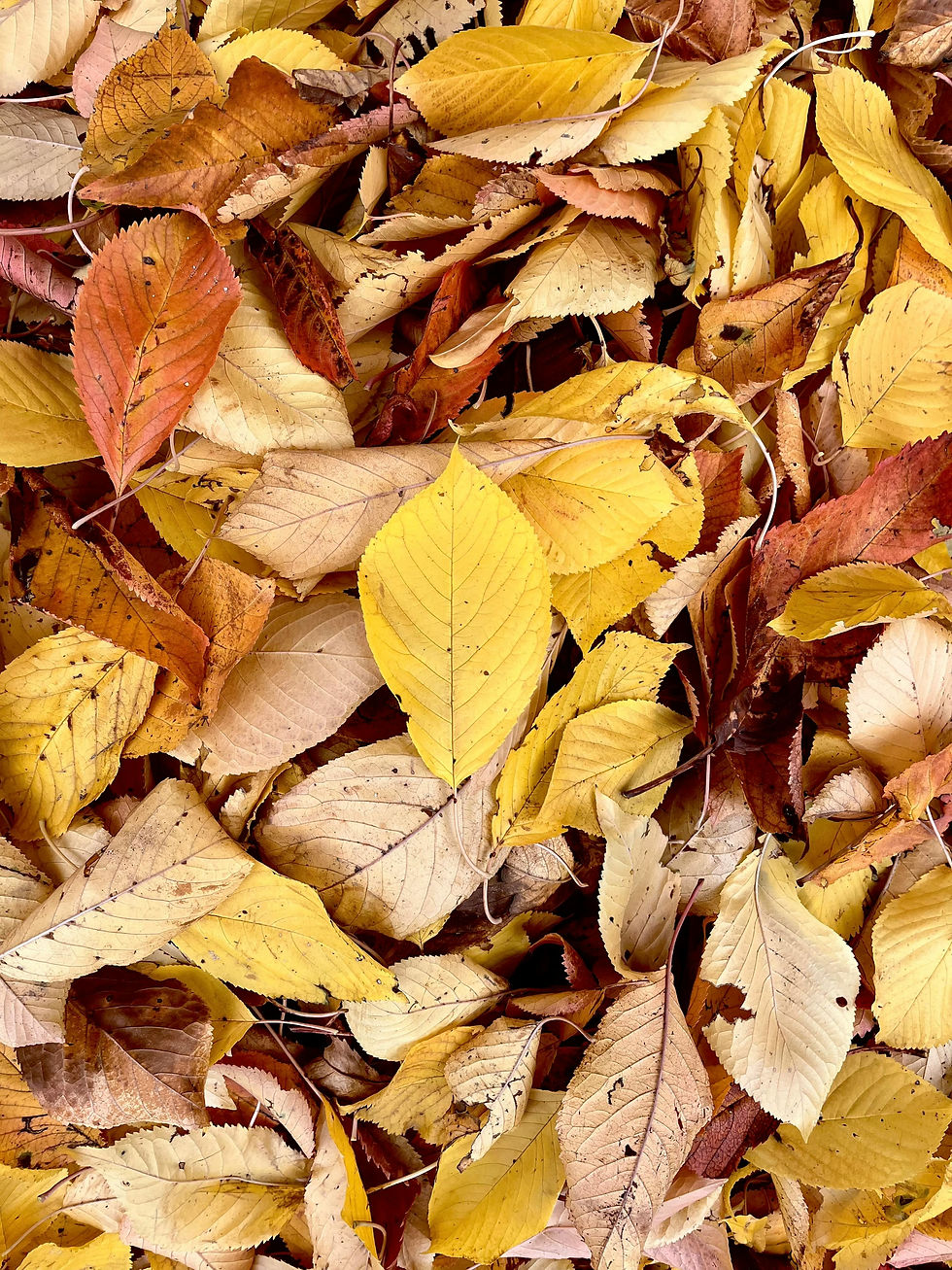
8. Raking. Every. Leaf.
Raking (or blowing, or mulching!) every leaf can feel like the “right” thing to do. But all those leaves are actually helping my garden. Now I leave the leaves in my beds to protect the soil and shelter beneficial insects like fireflies and native bees. In spring, after nighttime temperatures are consistently above 50 degrees, I gently move them aside or mulch them in.
9. Overwatering “just in case.”
This one crept in slowly, during hot, dry late-summers in the South. I’d water early and late, just to be sure. But guess what? I was stressing my plants, not helping them. Now, I water deeply and less often. I also use Penick Organics Flower & Garden Mulch to help the soil hold moisture longer. If your garden always looks thirsty, your soil might be too compacted. You may need to amend it with an organic product like our Loamate Soil Enricher to help more water reach the roots (without making them soggy!).

10. Comparing to other gardens.
A garden is a living thing that needs attention every day. Gardens are never finished. And no garden is perfect. With so many beautiful garden pictures online and in magazines, it’s easy to forget that every garden started somewhere—with plants that once looked too small and too far apart. The fact is, every garden has once had a plant that struggled or died (not pictured!). And few gardens look as lovely in winter as they do in spring. But I’ve come to realize the way my garden looks day-to-day isn’t really what matters, most.
Some days I’m so proud of how my garden looks, I wish a professional photographer could capture that view forever! Other days, all I can seem to notice are the things I’d like to change, and I secretly hope there’s no drop-in company. But you know what? When I spend time outside working in it, it never fails to lift my mood. The experience of growing my flowers, trees, and vegetables is a byproduct nobody else may see, but me—and lately, that’s enough.
There you have it: Ten ways I’ve made gardening even more fun and easy through the years. Doesn’t it feel good to simplify? Who knows what I’ll prune out, next.
What about you? What “normal” gardening habits have you let go, that made your garden better?
Dig It? It's Grow Time!


Comments